7 Warning Signs Your Sunshine Coast Roof Needs Repairs
The Sunshine Coast has a subtropical climate with high humidity, intense UV exposure, salt-laden coastal air, and a summer storm season that can bring heavy rain, damaging winds, and hail. Together, these conditions put constant stress on roofing materials. Whether your home is in Maroochydore, Caloundra, Noosa, Buderim, Coolum, or the hinterland, knowing the early warning signs of roof trouble can save you from expensive structural damage, interior water problems, and insurance headaches. This guide covers seven of the most common indicators that your roof needs attention in 2026.
Why Roof Maintenance Matters on the Sunshine Coast
Roofs here work harder than in many other parts of Australia. Ultraviolet radiation degrades sealants, paint coatings, and polycarbonate sheeting. Coastal salt accelerates corrosion on metal roofing, especially on properties close to the beach or tidal waterways. Humidity encourages mould, algae, and moss growth on tiles and in roof cavities. Add the risk of severe thunderstorms and the occasional ex-tropical cyclone, and even a well-built roof can develop problems well before the end of its expected lifespan.

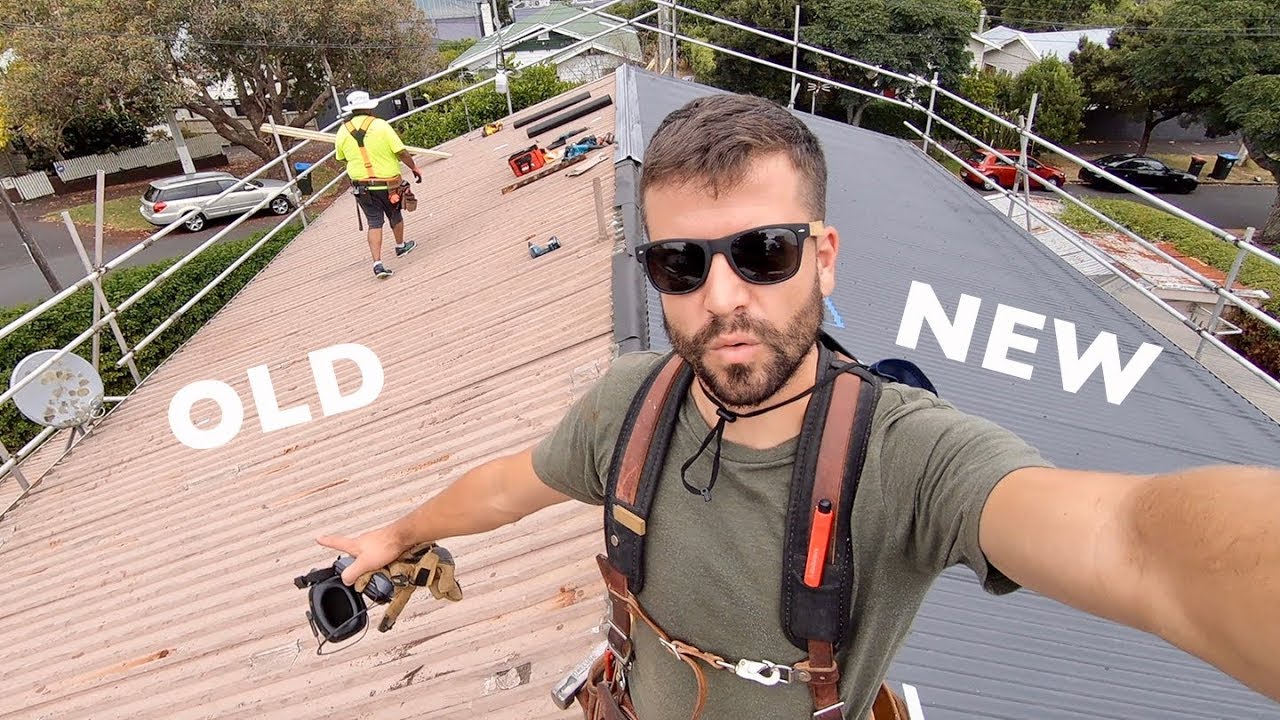
Building standards in Queensland, including wind-rating requirements for roof fixings, were designed to improve resilience. Older homes built before these upgrades may have fixings and tie-downs that no longer perform as intended, which makes regular inspection especially important.
1. Cracked, Broken, or Slipped Roof Tiles
Concrete and terracotta tiles are common across the Sunshine Coast, and they are durable, but they are not immune to damage. Cracked or slipped tiles can result from storm debris, thermal expansion and contraction, foot traffic, or the natural movement of a house over time.
What to look for
From the ground, look for tiles that sit at an uneven angle, visible gaps in the pattern, or fragments in your gutters or garden beds. A single broken tile may seem minor, but it exposes the sarking (the sheet beneath the tiles) to direct water and UV, and can allow rain to reach timber battens and rafters.
Why it matters
Water entering through one cracked tile can travel along rafters before it shows up as a ceiling stain several metres away, making the source difficult to trace. Prompt tile replacement is typically a small job, while neglected leaks can lead to rotting timber and damaged insulation.
2. Rust and Corrosion on Metal Roofing
Colorbond and other steel roofing are popular in Queensland for their durability and heat reflectivity, but salt air can shorten the life of metal roofs, particularly in coastal suburbs. Surface rust, bubbling paint, and white powdery deposits on metal surfaces are early signs that the protective coating is failing.
- Rust around screws and fasteners: This often indicates that sealing washers have perished and water is getting into the fixing points.
- Rust along sheet overlaps and edges: Moisture trapped between sheets corrodes metal from the inside out.
- Rust near flashings and valleys: These areas collect water and debris, which speeds up corrosion.
- Pinhole leaks or visible light in the roof space: These signal that rust has penetrated the sheet.
Early-stage surface rust can sometimes be treated and recoated. Once the metal has perforated, https://elliotdihd178.focalledger.com/posts/roof-noise-in-heavy-rain-causes-and-ways-to-reduce-it sheet replacement is usually required.
3. Water Stains, Damp Patches, or Mould Inside Your Home
Interior symptoms are among the clearest signs of a roof problem. Brown or yellow ceiling stains, bubbling or peeling paint, damp-smelling rooms, and mould growth in corners or on ceilings all suggest moisture is entering from above.
On the Sunshine Coast, humidity can mask or mimic these symptoms. A stain may be caused by a leaking roof, but it could also result from condensation, a faulty air conditioning drain, or plumbing. A professional roof inspection can help determine the real cause. It also helps to inspect the roof space itself, if safe to do so, after heavy rain. Look for damp insulation, water marks on timber, or daylight coming through the roof covering.
4. Damaged or Deteriorating Flashing
Flashing is the thin metal material that seals joins and penetrations in your roof, such as around chimneys, skylights, vent pipes, solar panel mounts, and where the roof meets a wall. It is one of the most common sources of leaks because it is exposed to constant expansion, contraction, and weathering.
Signs of flashing trouble
- Lifted, bent, or separated edges
- Gaps or cracked sealant
- Rust or discolouration
- Water staining on walls or ceilings near roof junctions
Homes with rooftop solar systems have additional penetrations that need to remain watertight. If your panels were installed several years ago, it is worth having the roof penetrations checked as part of routine maintenance.
5. Sagging Roof Lines or Visible Structural Movement
A roof should present straight, even lines. If you notice dips, bowing, or sagging sections, this may indicate structural issues such as water-damaged timber, termite damage, undersized framing, or failing support structures. Termites are a significant concern across Queensland, and damage in roof timbers can go unnoticed until deflection becomes visible.
Sagging is a serious warning sign. Arrange a professional assessment promptly, as structural problems can worsen quickly, especially in a severe storm. A qualified builder or roofing specialist can determine whether the issue is localised or requires broader structural repair.
6. Blocked, Damaged, or Overflowing Gutters and Downpipes
Gutters carry water away from your roof and walls. On the Sunshine Coast, leaf litter from native trees, palm fronds, and storm debris can build up quickly. When gutters block, water can overflow, pool against fascia boards, or back up under roofing materials.
Watch for these indicators:
- Water spilling over the gutter edge during rain
- Sagging or detached gutter sections
- Rusted or leaking joins
- Rotting or peeling fascia and eaves
- Plants or seedlings growing in the gutters
Regular cleaning, particularly before the summer storm season, helps protect both the roof and the home. Gutter guards can reduce maintenance, though they still need occasional inspection. Properties in bushfire-prone areas of the hinterland should also keep gutters clear of dry debris as part of fire preparedness.
7. Excessive Granule Loss, Moss, Algae, or Fading
The roof surface itself can reveal its condition. Dark streaks, green growth, moss, and lichen on tiles are common in humid, shaded parts of the Coast. While often cosmetic at first, heavy growth can hold moisture against the roof and shorten the life of tiles and coatings.
Other surface warning signs include:
Faded or chalky coatings: Painted tile or metal roofs lose their protective finish over time, leaving the substrate more exposed to UV and moisture.
Crumbling pointing: On tiled roofs, the mortar or flexible pointing along ridge caps and hips can crack and fall away, loosening ridge tiles and allowing water ingress. Ridge capping is particularly vulnerable to high winds.
Loose or lifting ridge caps: These can become hazards in strong gusts and should be addressed before storm season.
What to Do If You Spot These Warning Signs
If you notice one or more of these issues, take the following steps:
- Inspect safely from the ground. Use binoculars or a phone camera zoom to examine the roof. Avoid climbing onto the roof yourself, as falls from roofs are a leading cause of serious injury in Australia.
- Document the problem. Take dated photos of the roof, gutters, and any interior damage. This is useful for repair quotes and insurance claims.
- Arrange a professional inspection. Choose a licensed roofing contractor with a current Queensland Building and Construction Commission (QBCC) licence and appropriate insurance.
- Get written quotes. Compare scope, materials, warranties, and timeframes, not just price.
- Carry out temporary protection if needed. In an emergency, a professional can fit a tarp or temporary seal to limit water damage until permanent repairs are possible.
- Review your insurance. Check what your policy covers, including storm damage, and keep records of maintenance.
How Often Should You Inspect Your Roof?
As a general guide, have your roof professionally inspected at least once every one to two years, and after any severe weather event such as heavy storms or hail. Coastal homes and older roofs may benefit from annual checks. Scheduling an inspection before the warmer, wetter months helps identify minor faults before they become major repairs.

Repair or Replace?
Many roof problems can be fixed with targeted repairs, such as replacing cracked tiles, resealing flashings, re-bedding ridge caps, or treating localised corrosion. However, replacement may be the more cost-effective choice if the roof is near the end of its service life, has widespread rust or tile deterioration, or has suffered recurring leaks. Concrete tile roofs commonly last several decades with proper maintenance, while metal roofs vary depending on coating quality and proximity to the coast. A qualified roofer can assess the remaining life of your roof and explain the options.
Final Thoughts
The Sunshine Coast climate is wonderful to live in, but it is demanding on roofs. Cracked tiles, rust, interior stains, faulty flashing, sagging lines, blocked gutters, and surface deterioration are all signals that should not be ignored. Acting early typically means smaller repairs, lower costs, and better protection for your home and belongings. If you notice any of these warning signs, book an inspection with a licensed local roofing professional and keep up with regular maintenance to extend the life of your roof into 2027 and beyond.
Sunshine Coast Roof Restoration & Repair
Unit 8/13 Newspaper Pl, Maroochydore QLD 4558
(07) 4145 4576